
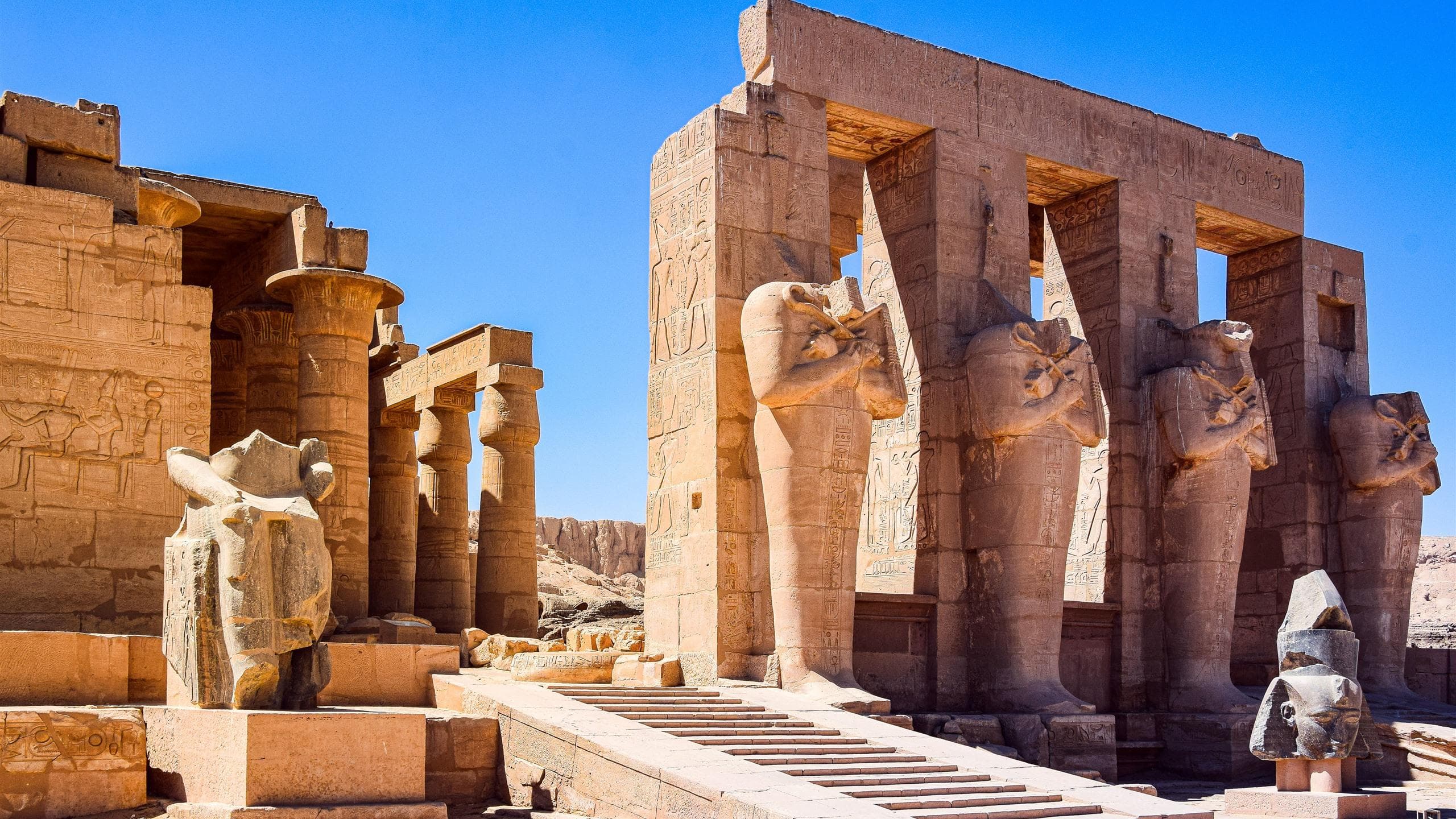
Egypt is a country where every destination tells a different story. The pyramids reveal the achievements of an ancient civilization, the Nile connects historic cities and fertile landscapes, and the Red Sea offers a completely different experience of beaches, coral reefs, and marine life.
The best Egypt tourist places are not limited to Cairo and the Pyramids of Giza. Travelers can explore the magnificent temples of Luxor, sail between the islands of Aswan, discover the Mediterranean character of Alexandria, or escape into the deserts and oases of the Western Desert.
What makes Egypt special is this variety. In one trip, you can walk through thousands of years of history, enjoy traditional Egyptian food, cruise along the Nile, relax beside the sea, and experience local communities and landscapes that feel far removed from the country’s famous monuments.
If you are planning your first visit, choosing the right destinations is essential. Your ideal itinerary will depend on how much time you have, what you enjoy, and whether you prefer history, culture, adventure, relaxation, or a combination of all four.
Best Egypt Tourist Places at a Glance
Egypt offers an incredible variety of destinations, from ancient monuments and historic cities to Red Sea resorts, desert landscapes, and peaceful Nile communities. The best Egypt tourist places are spread across the country, giving travelers plenty of options for different interests and travel styles.
For first-time visitors, Cairo, Giza, Luxor, and Aswan provide the essential historical experience. Meanwhile, Hurghada, Sharm El Sheikh, and Dahab are ideal for beaches and marine adventures. Travelers looking for something different can explore Siwa Oasis, the White Desert, or lesser-known archaeological sites.
Ancient Wonders Every First-Time Visitor Should See
If this is your first trip to Egypt, start with the country’s most famous ancient landmarks. The Pyramids of Giza and the Great Sphinx are essential stops in Cairo. They offer an introduction to the scale and achievements of ancient Egyptian civilization.
Luxor takes the experience even further. The Valley of the Kings, Karnak Temple, Luxor Temple, and the Temple of Hatshepsut allow visitors to explore royal tombs and monumental temples in their original setting.
Aswan and Abu Simbel are also worth adding to a longer itinerary. Together, these destinations reveal another side of ancient Egypt and the history of Nubia.
Historic Cities and Cultural Landmarks Worth Exploring
Egypt’s history extends far beyond the Pharaohs. Many of the best Egypt tourist places showcase the country’s Islamic, Coptic, and Mediterranean heritage. Cairo is home to historic mosques, churches, traditional markets, and fascinating museums, while Alexandria reflects Egypt’s deep connection with the Mediterranean.
Walking through historic neighborhoods is one of the best ways to experience these tourist places in Egypt . You can explore centuries-old architecture, visit traditional markets, discover local museums, and enjoy the atmosphere of historic streets.
Beyond the famous landmarks, these experiences allow travelers to see another side of Egypt. They bring you closer to modern Egyptian life while revealing the traditions and history that have shaped the country’s most remarkable Egypt tourist places
Natural Landscapes, Oases, and Coastal Destinations
Egypt is not only about temples and archaeological sites. The country also has beautiful beaches, coral reefs, deserts, mountains, and oases.
Hurghada and Sharm El Sheikh are excellent choices for travelers who enjoy the sea. Dahab offers a more relaxed atmosphere, while Siwa provides a completely different experience among palm groves, salt lakes, and desert landscapes.
Cairo: The Cultural and Historical Heart of Egypt
Cairo is usually the first stop for international visitors. The capital combines ancient monuments, museums, historic neighborhoods, busy markets, and modern city life.
Spending two or three days in Cairo gives you enough time to explore its major attractions without making the itinerary feel rushed.
The Pyramids of Giza and the Great Sphinx
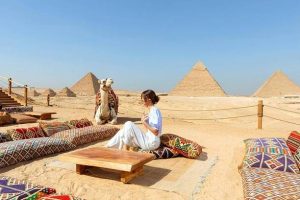
The Pyramids of Giza are among the world’s most recognizable monuments. The complex includes the Great Pyramid of Khufu, the Pyramid of Khafre, the Pyramid of Menkaure, and the Great Sphinx.
Visiting the plateau is about more than taking photographs. You can explore different viewpoints, learn about the construction of the pyramids, and discover how the complex was connected to ancient Egyptian beliefs about kingship and the afterlife.
The Grand Egyptian Museum
The Grand Egyptian Museum adds a modern dimension to the experience of exploring ancient Egypt.
Its large galleries and extensive collections help visitors understand the civilization behind the monuments. Combining a museum visit with the Pyramids of Giza is an excellent choice for first-time travelers.
The Egyptian Museum in Downtown Cairo
The Egyptian Museum in central Cairo remains an important destination for anyone interested in Egyptian history.
Its collections include artifacts from different periods of ancient Egypt. A visit can help put many of the country’s archaeological sites into a broader historical context.
Khan El Khalili and the Historic Markets of Cairo
Khan El Khalili offers a completely different experience from the pyramids and museums.
The historic market is filled with narrow streets, traditional shops, spices, jewelry, crafts, souvenirs, and cafés. Take your time here instead of treating it as a quick shopping stop.
A traditional Egyptian coffee or tea in a local café can be a simple but memorable part of your Cairo experience.
The Citadel of Cairo and Mosque of Muhammad Ali: A Historic Egypt Tourist Place
The Citadel stands on a hill overlooking Cairo and has played an important role in the city’s history.
Inside the complex, the Mosque of Muhammad Ali is one of the city’s most recognizable landmarks. The elevated location also provides impressive views across parts of Cairo.
Coptic Cairo and Its Historic Churches
Coptic Cairo introduces visitors to an important part of Egypt’s Christian heritage.
Historic churches and religious buildings in the area reflect the long history of Christianity in Egypt. It is a valuable addition to any itinerary focused on the country’s cultural diversity.
Islamic Cairo and Its Architectural Heritage
Islamic Cairo is one of the best areas to explore on foot.
Historic mosques, old houses, gates, schools, and traditional streets create a fascinating atmosphere. The area shows how Cairo developed as an important cultural and commercial center over the centuries.
Giza: Home of Egypt’s Most Iconic Monuments
Giza deserves more than a short visit. The pyramid complex covers a large area, and taking time to explore it properly makes the experience much more rewarding.
Exploring the Great Pyramid of Khufu
The Great Pyramid of Khufu is the largest pyramid at Giza and the only surviving member of the Seven Wonders of the Ancient World.
Visitors can explore the surrounding plateau and, with the appropriate ticket, enter parts of the pyramid. The interior can be physically demanding, so comfortable clothing and footwear are recommended.
Discovering the Pyramids of Khafre and Menkaure
The Pyramid of Khafre is easily recognized by the remaining casing stones near its summit. Menkaure’s Pyramid is smaller but completes the main group at Giza.
Seeing the three pyramids together provides a better understanding of the scale of the ancient royal complex.
Visiting the Great Sphinx
The Great Sphinx stands near the pyramids and remains one of Egypt’s most famous symbols.
The monument combines a human head with the body of a lion. Its exact history and original purpose have fascinated historians and visitors for generations.
Best Panoramic Views of the Giza Plateau
A panoramic viewpoint is one of the best places to appreciate the full scale of the Giza Plateau.
The view is particularly impressive when several pyramids appear together against the desert. Early morning and late afternoon are also excellent times for photography.
Camel Riding and Desert Experiences Around the Pyramids
A camel ride can add a traditional desert experience to your visit.
Before starting, confirm the price, duration, and route. Choosing a reputable operator can also help you avoid unnecessary problems and enjoy the experience more comfortably.
Luxor: Egypt’s Open-Air Museum
Luxor is one of the most important destinations for travelers interested in ancient Egypt.
The city is surrounded by temples, tombs, monuments, and archaeological sites. Many of them can be explored on both the East and West Banks of the Nile.
The Valley of the Kings and the Tombs of the Pharaohs
The Valley of the Kings is one of the most remarkable Egypt tourist places for anyone interested in ancient history. Located on Luxor’s West Bank, the valley contains dozens of royal tombs built for pharaohs and important figures of the New Kingdom.
Visitors can explore selected tombs decorated with colorful paintings, hieroglyphs, and scenes connected to ancient Egyptian beliefs about the afterlife. The tomb of Tutankhamun is among the most famous, although access to individual tombs can vary.
For travelers exploring tourist places in Egypt, the Valley of the Kings offers a rare opportunity to step inside the burial sites of ancient rulers and experience the artistic and religious traditions that shaped Egyptian civilization.
Karnak Temple and Its Monumental Hypostyle Hall
Karnak Temple is one of the most impressive Egypt tourist places and one of the largest ancient religious complexes in the country. Located on Luxor’s East Bank, it developed over centuries under the rule of different pharaohs.
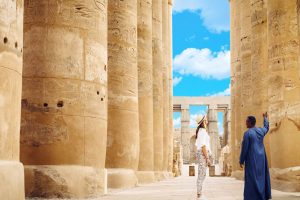
Its enormous columns, statues, obelisks, and detailed reliefs reveal the extraordinary architectural skills of ancient Egyptian rulers. The Great Hypostyle Hall is the highlight, with its massive columns creating a powerful sense of scale.
For visitors exploring tourist places in Egypt, Karnak offers a fascinating look into ancient religious traditions and the grandeur of one of Egypt’s most important temples.
Luxor Temple and Its Ancient Avenue
Luxor Temple is located close to the modern city and is easy to include in a sightseeing itinerary.
The temple becomes especially atmospheric later in the day. Its relationship with the ancient Avenue of Sphinxes adds another interesting element to the visit.
Temple of Hatshepsut at Deir el-Bahari
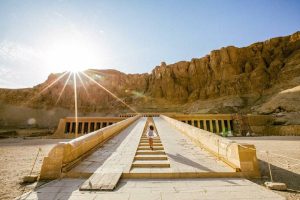
The Temple of Hatshepsut is built against dramatic limestone cliffs on Luxor’s West Bank.
Its terraces and symmetrical design create a striking combination of architecture and natural scenery. The temple also tells the story of one of ancient Egypt’s most influential female rulers.
Colossi of Memnon and the West Bank
The Colossi of Memnon are two enormous statues standing on Luxor’s West Bank.
They are easy to visit as part of a larger West Bank route that includes the Valley of the Kings and Temple of Hatshepsut.
Hot Air Balloon Rides Over Luxor
A hot air balloon ride provides an unforgettable view of Luxor.
At sunrise, travelers can see the Nile, agricultural fields, villages, temples, and desert stretching across the landscape. It is an excellent option for travelers who want a different perspective of the city.
Aswan: A Peaceful Nile-Side Escape
Aswan has a slower pace than Cairo and Luxor.
The Nile, islands, desert surroundings, and Nubian communities create a relaxed atmosphere that makes the city a favorite stop on longer Egypt itineraries.
Philae Temple and the Island of Agilkia
Philae Temple is one of the most beautiful attractions in Aswan.
The temple complex was relocated to Agilkia Island to protect it from rising water following the construction of the Aswan High Dam. Reaching the site by boat adds to the experience.
The Unfinished Obelisk
The Unfinished Obelisk offers an interesting look at ancient stone-working methods.
The massive monument was abandoned before completion, leaving visitors with a rare opportunity to see the carving process directly within the quarry.
The Nubian Villages and Local Culture
A visit to a Nubian village can add a cultural dimension to your Aswan itinerary.
Travelers can learn about local traditions, architecture, food, crafts, and hospitality. It is also a good opportunity to experience a side of southern Egypt that cannot be found inside museums.
Sailing the Nile by Traditional Felucca
A felucca ride is ideal for travelers who want a quiet experience on the Nile.
These traditional sailing boats move slowly along the river, allowing you to enjoy the scenery without the pace of a typical sightseeing excursion.
Aswan’s Scenic Islands and Riverside Landscapes
The islands around Aswan provide beautiful views of the Nile and surrounding desert.
A short boat ride can be combined with a relaxed afternoon by the river, especially after a busy day exploring temples.
Abu Simbel: One of the Most Fascinating Egypt Tourist Places in Ancient Nubia
Abu Simbel is one of the most spectacular archaeological destinations in southern Egypt.
Its distance from Aswan requires some planning, but the enormous temples make the journey worthwhile.
The Temples of Ramses II and Queen Nefertari
The Great Temple of Abu Simbel is dedicated to Ramses II and is famous for its four colossal statues carved into the rock facade.
Nearby, the Temple of Queen Nefertari is dedicated to the goddess Hathor and is equally impressive.
Why Abu Simbel Is Worth Adding to an Egypt Itinerary
The temples combine monumental architecture with a dramatic desert setting.
For travelers fascinated by ancient Egypt, Abu Simbel can be one of the strongest highlights of a southern itinerary.
How to Visit Abu Simbel From Aswan
Most visitors travel to Abu Simbel as a day trip from Aswan.
Because the journey starts early and involves several hours of transportation, it is best to dedicate the day to Abu Simbel rather than adding too many other activities.
Alexandria: Egypt’s Mediterranean Gem
Alexandria offers a completely different atmosphere from Cairo and Luxor.
Its Mediterranean coastline, seafood restaurants, historic landmarks, and relaxed Corniche make it a great addition to an Egypt vacation.
The Bibliotheca Alexandrina
The modern Bibliotheca Alexandrina reflects Alexandria’s historic reputation as a center of learning.
Its distinctive architecture makes it one of the city’s most recognizable modern landmarks.
The Citadel of Qaitbay
Qaitbay Citadel stands beside the Mediterranean and offers beautiful coastal views.
Its location and historic importance make it one of the most popular places to visit in Alexandria.
The Catacombs of Kom El Shoqafa
The Catacombs of Kom El Shoqafa reveal the multicultural character of ancient Alexandria.
Egyptian, Greek, and Roman influences can be seen throughout the site, making it particularly interesting for travelers interested in ancient history.
Pompey’s Pillar and Ancient Alexandria
Pompey’s Pillar is another important surviving monument from ancient Alexandria.
It can be included with the catacombs and other archaeological sites during a full-day Alexandria tour.
Exploring Alexandria’s Mediterranean Corniche
The Corniche is ideal for slowing down after visiting archaeological sites.
Walk along the waterfront, enjoy fresh seafood, or stop at a café while watching the Mediterranean. This is one of the easiest ways to experience Alexandria like a local.


[…] Too: 10 Best Egypt Tourist Places | Amazing Travel […]